
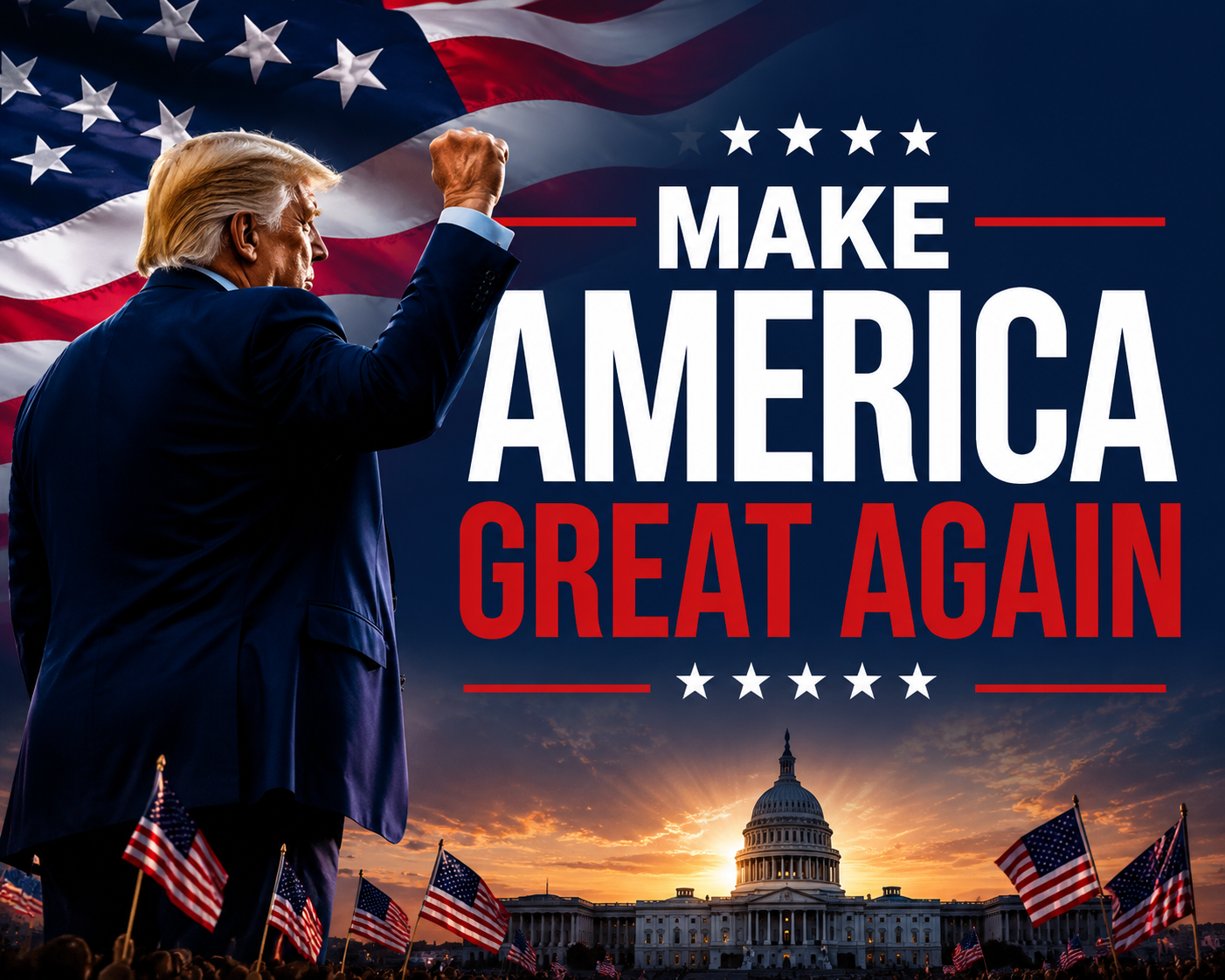
Few political slogans have had the cultural and political impact of Make America Great Again. More than a campaign phrase, it has become a symbol that represents different ideas to different people. For some, it reflects a desire to restore economic strength, national pride, and traditional values. For others, it raises questions about inclusion, historical perspective, and the direction of the United States. Regardless of individual opinions, Make America Great Again has become one of the most recognizable political messages in recent history, influencing elections, public debate, media coverage, and political identity.
The Origins of the Slogan
Although many people associate Make America Great Again with Donald Trump’s presidential campaigns, the phrase itself existed before it became globally recognized. Similar expressions emphasizing national renewal have appeared throughout American political history. The slogan gained extraordinary prominence during the 2016 presidential election, where it became the centerpiece of Trump’s campaign strategy.
Its success was rooted in simplicity. The message suggested that America had experienced greater prosperity and strength in the past and could return to those conditions through different leadership and policy choices. This straightforward wording made the slogan memorable and easy to communicate across speeches, advertisements, social media, and campaign events.
Why the Message Connected with Millions
Political slogans succeed when they capture emotions as much as policies. Make America Great Again resonated with many voters who believed the country faced significant economic and social challenges.
Several factors contributed to its popularity:
- Concerns about manufacturing job losses.
- Debates over immigration and border security.
- Frustration with political institutions.
- A desire for stronger economic growth.
- Interest in increasing America’s influence on the global stage.
Supporters often viewed the slogan as a call for renewed confidence and national unity around shared goals. They believed it represented practical solutions to issues affecting everyday Americans, particularly employment opportunities and economic security.
Economic Priorities Behind Make America Great Again
One of the central themes connected to Make America Great Again has been economic development. Advocates frequently emphasize policies designed to encourage domestic manufacturing, reduce business regulations, lower taxes, and promote investment within the United States.
The underlying objective has been to strengthen American industries while creating more employment opportunities for workers across various sectors. Supporters argue that competitive businesses, energy production, and infrastructure investment contribute to long-term national prosperity.
Critics, however, often debate whether these policies produce equal benefits across different communities or industries. These discussions remain an important part of the broader conversation surrounding economic policy.
Manufacturing and American Industry
Manufacturing occupies a prominent place within the philosophy often associated with Make America Great Again. Many supporters believe rebuilding industrial capacity helps strengthen both economic resilience and national security.
The conversation extends beyond factories alone. It also includes supply chains, technological innovation, workforce development, and reducing dependence on foreign manufacturing for essential goods.
Immigration and Border Security
Immigration has consistently remained one of the most discussed topics connected to Make America Great Again. Supporters generally advocate for stronger border enforcement, updated immigration policies, and measures intended to reduce illegal immigration.
Those backing these positions often argue that secure borders protect national sovereignty, public safety, and employment opportunities. Others believe immigration reform should balance border security with humanitarian responsibilities and economic needs.
Because immigration affects labor markets, demographics, education, and foreign relations, it continues to generate extensive public discussion regardless of political affiliation.
National Identity and Patriotism
Another defining characteristic of Make America Great Again involves patriotism. The slogan encourages pride in American history, institutions, military service, and constitutional principles.
For many supporters, displaying the American flag, honoring veterans, and celebrating national achievements represent important expressions of civic identity. They believe national confidence strengthens communities and encourages greater public participation.
Others argue that patriotism should include acknowledging historical shortcomings alongside national accomplishments. This difference in perspective explains why conversations surrounding national identity often become passionate and deeply personal.
Cultural Influence Beyond Politics
Few campaign slogans have crossed into everyday culture as successfully as Make America Great Again. The phrase appears in news coverage, books, documentaries, political commentary, television programs, online discussions, and popular culture.
Its influence extends beyond elections because it functions as both a political message and a cultural symbol. Depending on the audience, it may represent hope, change, disagreement, loyalty, or criticism.
This broad cultural reach has helped the slogan remain relevant long after individual election cycles concluded.
The Role of Media and Social Platforms
Modern political communication depends heavily on digital platforms, and Make America Great Again became one of the earliest examples of a slogan amplified through social media at an unprecedented scale.
Campaign messages, short videos, interviews, and user-generated content enabled supporters and critics alike to spread the phrase worldwide. Traditional news organizations also contributed by frequently covering campaign rallies, speeches, and policy announcements associated with the slogan.
The result was nearly constant public visibility, making the phrase recognizable even among people who were not actively engaged in politics.
Public Support and Criticism
No modern political slogan generates unanimous agreement, and Make America Great Again is no exception.
Supporters commonly highlight:
- Economic nationalism.
- Stronger border policies.
- Reduced government regulation.
- Increased military investment.
- Greater national confidence.
Critics often raise concerns regarding:
- Political polarization.
- Social division.
- Immigration policies.
- Interpretations of American history.
- The impact of certain policy decisions on different communities.
These differing viewpoints demonstrate why the slogan continues to inspire extensive discussion across political, academic, and public forums.
Lasting Influence on American Elections
Political campaigns frequently borrow successful messaging strategies from previous elections. The effectiveness of Make America Great Again has influenced how candidates approach branding, communication, and voter outreach.
Its success demonstrated that concise messaging combined with emotional appeal can become a powerful political asset. Since its widespread adoption, many campaigns across different political perspectives have attempted to develop similarly memorable slogans.
The phrase also reinforced the importance of grassroots engagement, digital communication, and consistent campaign branding.
Lessons in Political Communication
The popularity of Make America Great Again offers several broader lessons about effective communication:
- Memorable language often outperforms complex messaging.
- Emotional connection can significantly influence public engagement.
- Consistency strengthens brand recognition.
- Clear messaging travels quickly across traditional and digital media.
- Political identity increasingly develops through cultural conversations as well as policy debates.
These observations extend beyond politics and apply to marketing, leadership, and public communication more generally.
The Future of Make America Great Again
As American politics continues to evolve, Make America Great Again is likely to remain an influential phrase. Whether viewed as a campaign slogan, a political movement, or a cultural symbol, it has secured a lasting place in modern political history.
Future elections may continue referencing its themes directly or indirectly. Public debates surrounding economic growth, immigration, national security, education, trade, and constitutional values will likely keep the slogan relevant for years to come.
Its enduring presence reflects the broader reality that political messaging often becomes part of national culture, shaping conversations far beyond campaign seasons.
Conclusion
Make America Great Again represents far more than four simple words. It has influenced political campaigns, public policy discussions, media coverage, and cultural conversations throughout the United States and beyond. Supporters view it as a vision for renewed national strength, economic opportunity, and patriotism, while critics see it as a slogan that invites important questions about history, identity, and governance. Regardless of political perspective, its impact on modern American politics is undeniable. Understanding its origins, themes, and continuing influence provides valuable insight into the evolving landscape of American democracy and the role powerful messaging plays in shaping public opinion.